
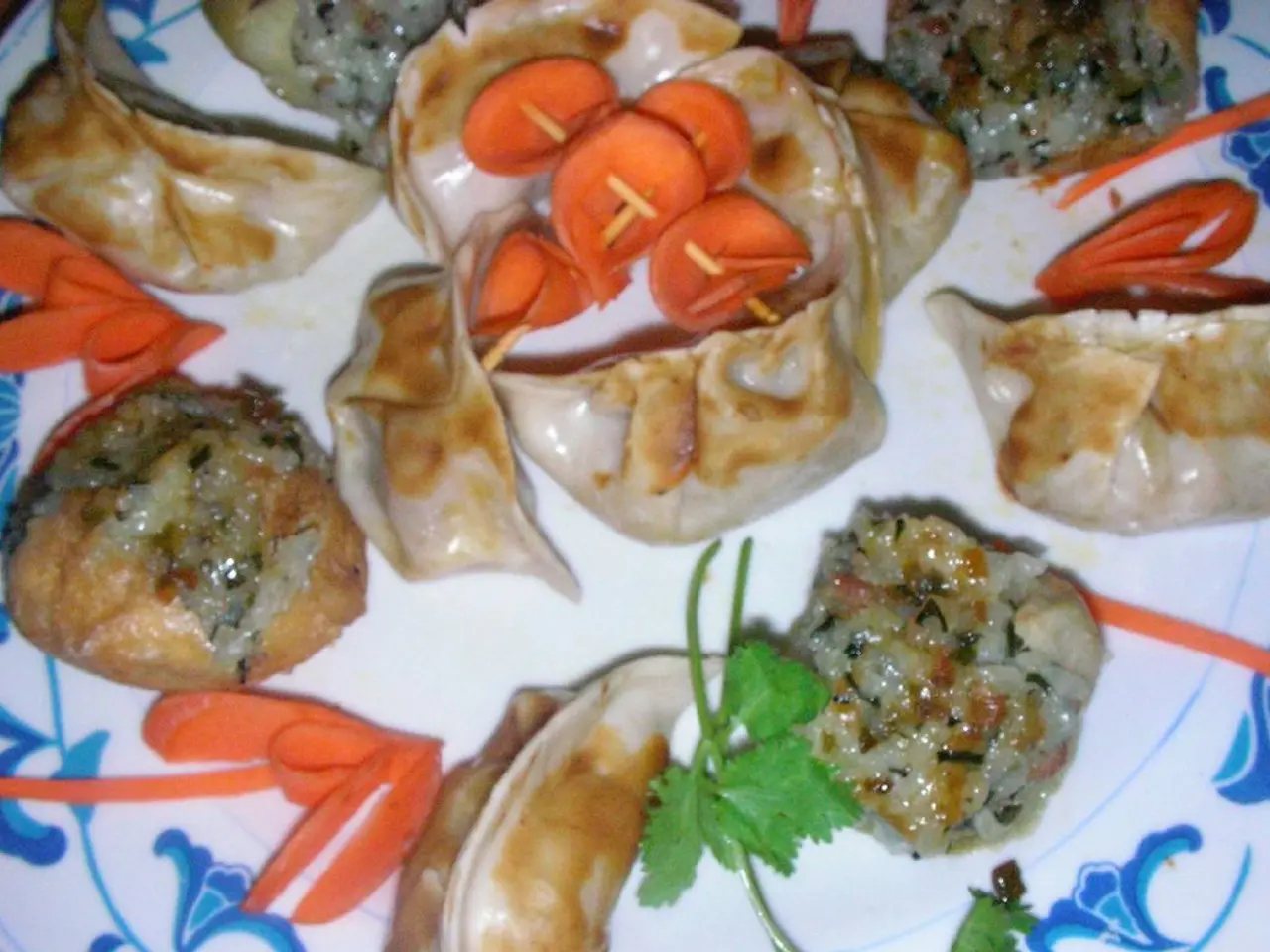
Steer Clear of Typical Blunder When Dining Outside in Japan
Japan, a land of rich history, elegant culture, and diverse cities, is also a popular travel destination known for its delicious cuisine. For those with special dietary needs, such as those following a Halal diet, visiting Japan can present unique challenges.
Restaurants specializing in Halal and other special dietary needs are often part of broader groups, including Halal-certified establishments, vegan/vegetarian restaurants, and places catering specifically to Muslim travelers, especially in larger cities and tourist areas. These restaurants ensure compliance with Halal guidelines and accommodate other dietary restrictions to serve customers with special diet requirements.
However, it is important to note that changing or modifying restaurant orders is seen as rude in Japanese culture. Many Japanese restaurants specialize in a specific food or style, making it very difficult to substitute ingredients. This is why extra planning is needed before embarking on a trip to Japan.
Tools like HappyCow or Google Maps can help identify vegetarian, vegan, and allergen-friendly restaurants in Japan. Familiarizing yourself with basic Japanese cuisine can help avoid accidentally ordering something you can't eat. Allergy cards are available online for those with allergies to communicate their needs to restaurant staff in Japan.
For picky eaters, it can be hard to find a dish that includes only ingredients they like in Japanese restaurants. Some restaurants in Japan may be 'Japanese-only' and only serve locals. Being a considerate tourist when visiting Japan is important to avoid offending local customs and traditions.
In 2025, Japan has been one of the cheapest years to visit, making it an attractive option for many Americans. However, Americans should expect to experience culture shocks when visiting Japan, as everyday Japanese norms can be different from what they are used to.
Researching restaurants in the cities you are visiting to find places that cater to various dietary needs is essential. Many Japanese restaurants may not be open to accommodating tourists' dietary needs, so it's best to plan ahead and find establishments that are known for their accommodating practices.
By planning ahead and being mindful of Japanese customs and traditions, travelers with special dietary requirements can enjoy a delicious and safe culinary experience in Japan.
Read also:
- Urgent investment: Province funds 5.3 million dollars for expanding primary care in Elgin-Middlesex-London area
- Federal Environmental Protection Agency under scrutiny for alleged manipulation of soil sample results following East Palestine catastrophe
- Colon Cancer Genetic Testing: Insights into its Function, Application, and Additional Details
- RFK Jr. Takes Bold Step in Vaccine Research Development, Possibly Poseing a Threat to Public Safety